The office team has a view across the day-to-day activity of RTI. They notice what keeps surfacing across courses and organizations, where processes are creating friction, and what needs to be adjusted, clarified, or built next. They are the people who help turn what RTI is learning into what happens next.

Digital Production Developer
Anthony Fiorini is the Digital Production Developer for the Recovery Training Institute (RTI).
After completing the Broadcasting program at Mount Royal University and spending 15 years working in live television, Anthony developed a passion for creating meaningful stories that educate, inform, and support those participating in RTI's training programs.
He believes storytelling is a powerful way to share lived experiences, foster understanding, and offer encouragement to those who need it. With a keen eye for detail and a creative approach, Anthony ensures each message is thoughtfully crafted to have the greatest impact.
Anthony's friendly personality and sense of humour help create a welcoming environment where people feel comfortable sharing their stories. While every person's journey is unique, he believes each one is meaningful and is dedicated to ensuring every voice is heard with authenticity and respect.
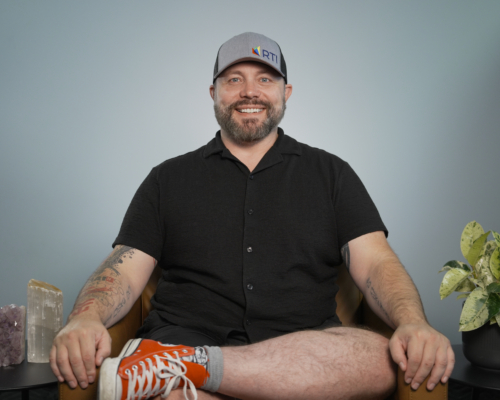
Technical Publications & Digital Learning Specialist
John Harris is the Technical Publications & Digital Learning Specialist at the Recovery Training Institute (RTI). As the owner of a digital agency for more than 15 years, John brings a wide professional breadth to his work and a strong belief that information should be accessible, understandable, and useful to everyone.
John enjoys taking complex or specialized ideas and finding ways to make them clear without losing their meaning. Whether he is developing learning materials, refining content, or helping shape how information is presented, he focuses on creating work that is engaging, approachable, and thought-provoking.
Naturally curious and creative, John likes to understand not only what information needs to be communicated, but how people are most likely to connect with it. He approaches projects from the learner’s point of view, looking for ways to make content feel relevant, intuitive, and human.
With a background that also includes court reporting and broadcast captioning, John brings a strong appreciation for accuracy, clarity, and thoughtful communication. At RTI, he uses those strengths to help turn knowledge, expertise, and lived experience into learning materials that invite people to think, connect, and engage while doing his best to make everyone smile and laugh daily.

Community Engagement Lead
Christine Fiorini is a Certified Recovery Coach Professional Facilitator (CRCPF) and the Community Engagement Lead at the Recovery Training Institute (RTI).
With her education in Psychology and professional background in hospitality, entrepreneurship, and crisis intervention, Christine brings a dynamic, people-centered approach to her work. Not one for small talk, she believes meaningful conversations and genuine connection are where true growth happens.
Christine is passionate about creating compassionate and playful spaces where individuals feel seen, supported, and empowered and believes that our well-being sets the foundation for both personal and professional success. A proud member of the recovery community herself, she integrates her lived experience into her position, offering authenticity, empathy, and relatability to every group of which she is a part.
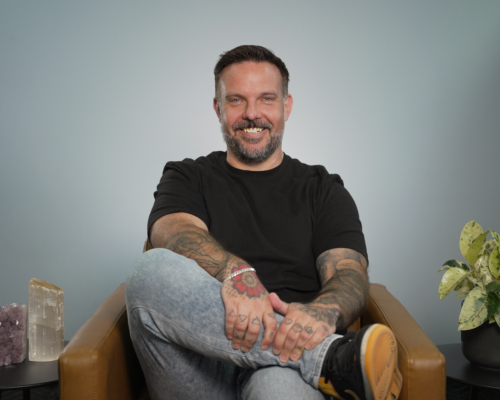
Operations Manager
Joel Henley is the Manager of Operations at the Recovery Training Institute (RTI). He brings a calm, strategic approach to his work, helping guide the systems and processes that keep RTI running smoothly and aligned with its values.
With a background in organizational leadership and operations, Joel oversees training logistics, internal systems, and day-to-day coordination. He’s known for being fair, thoughtful, and consistent, supporting both people and projects with care and clarity. When things get stressful, Joel brings levity and a sense of calm in the chaos, helping others stay grounded and focused.
Joel’s lived experience in recovery informs how he leads. He is a compassionate straight-shooter who believes that real change happens when people are empowered, not managed. Whether working behind the scenes or supporting a team through complex projects, Joel helps keep things organized, purposeful, and moving forward.
As RTI continues to grow, Joel plays a key role in making sure the work stays rooted in purpose, driven by values, and responsive to the needs of the communities we serve.

Co-Director
Lyndsey Hague co-directs the Recovery Training Institute (RTI) with a deep commitment to training and education. She has extensive experience across the UK and Canada in developing and delivering a wide range of addiction treatment and recovery services, with a focus on program implementation, workforce development, and service quality.
Lyndsey is a Therapeutic Community Specialist and has contributed to international knowledge exchange through her involvement with the World Federation of Therapeutic Communities. Her work in Alberta has centered on supporting the growth and adaptation of Therapeutic Communities within a Canadian context, including collaboration with government, service providers, and community partners. She is the founder of the Alberta Network of Recovery Communities, which brings together organizations to strengthen shared learning and practice. Lyndsey has worked alongside Indigenous communities to support the development of recovery communities that reflect local needs.
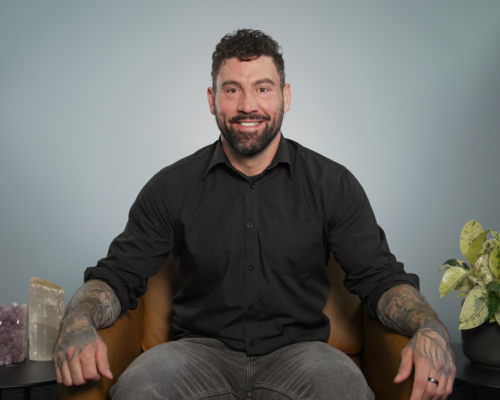
Executive Director
Brian Hamel serves as the Executive Director at RTI. Known for his loud presence, expressive delivery, and ability to speak truth with care, Brian brings energy and realness into every space he enters, whether it’s a training room, a boardroom, or a recovery community.
With a professional background in hospitality coordination and recovery center programming, Brian understands what it means to create environments that are welcoming, human, and deeply responsive to people’s needs.
Brian is especially known for his work advancing ethical standards, recovery coach supervision models, and culturally responsive approaches rooted in dignity and autonomy. His programs are grounded in compassion, clarity, and curiosity, with an unwavering commitment to keeping recovery human, simple, and real.
With lived experience at the center of his leadership, Brian brings a perspective that bridges systems with people. He builds programs that not only inform but transform. Whether he’s supporting the development of a peer workforce, challenging outdated views of sobriety, or redefining what recovery can look like in Alberta, Brian’s work is driven by one core belief: that everyone deserves to heal in community, with kindness, and with hope.