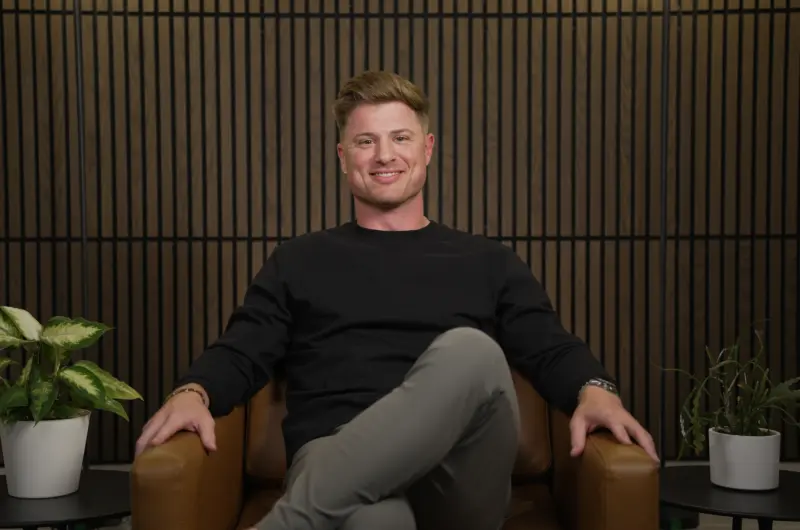
Russell Purdy
Russell Purdy is Executive Director of Beccarian Correctional Care. His experience spans treatment, recovery housing, recovery communities, program development, and correctional care. Russell brings a practical perspective on how structure, accountability, community, environment, and relationships can influence behaviour, participation, and recovery.
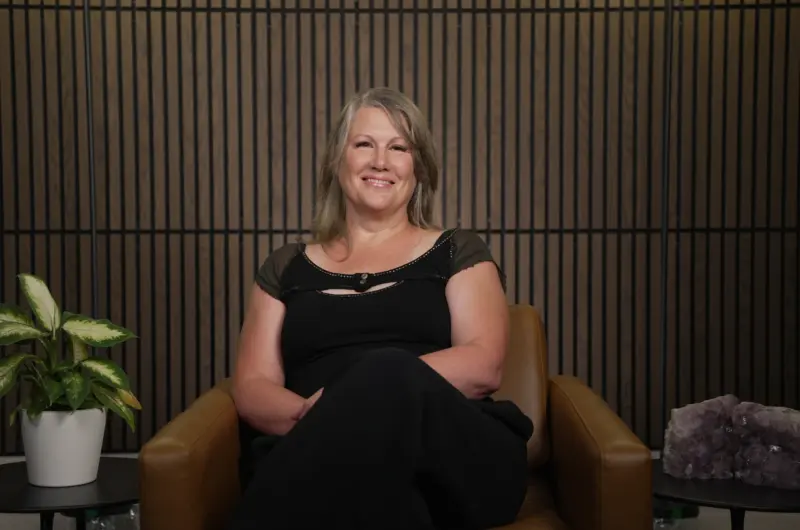
Tanya Salwach-Hoffert
Tanya Salwach-Hoffert is the founder of Healing Waters Foundation and owner of Bear Foot Health. Her background spans aquatic therapy, complex care, disability, reflexology, and family support. Tanya brings a powerful perspective on accessibility, changing capacity, and what genuine inclusion requires when services are built around the person rather than expecting people to fit the environment.
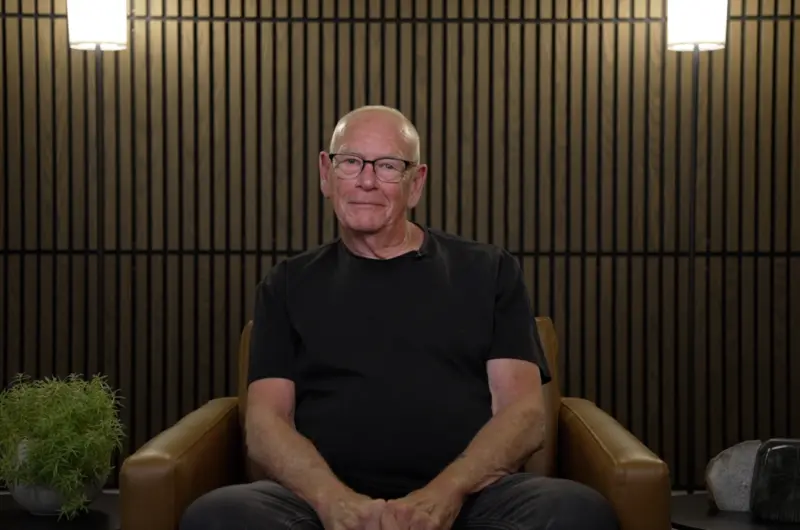
Rand Teed, BA, BEd, ICPS, CCAC, RRC
Rand Teed brings more than 50 years of lived recovery experience and teaching to his work in addiction, prevention, and recovery education. A Saskatchewan Addiction Consultant with RSG and Director of Drug Class, Rand is known for making complex ideas understandable through practical education, storytelling, and decades of experience working with individuals, families, and communities.
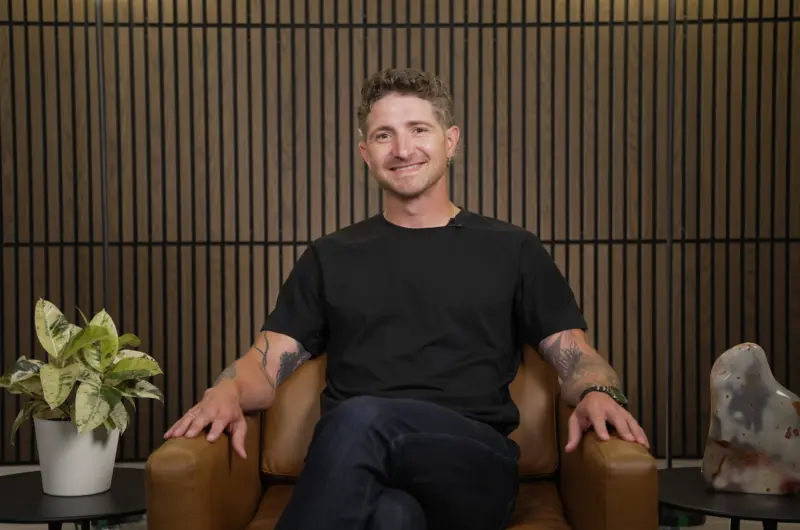
Liam Sorrenti, MA, MSW, RSW
Liam Sorrenti is a Mental Health and Addiction Therapist with experience in the helping field since 2006. His background spans Social Work, Counselling Psychology, Justice Studies, and Addiction Studies. Liam focuses on early childhood trauma and attachment, helping learners understand how early experiences can continue to influence relationships, coping, behaviour, and recovery across the lifespan.
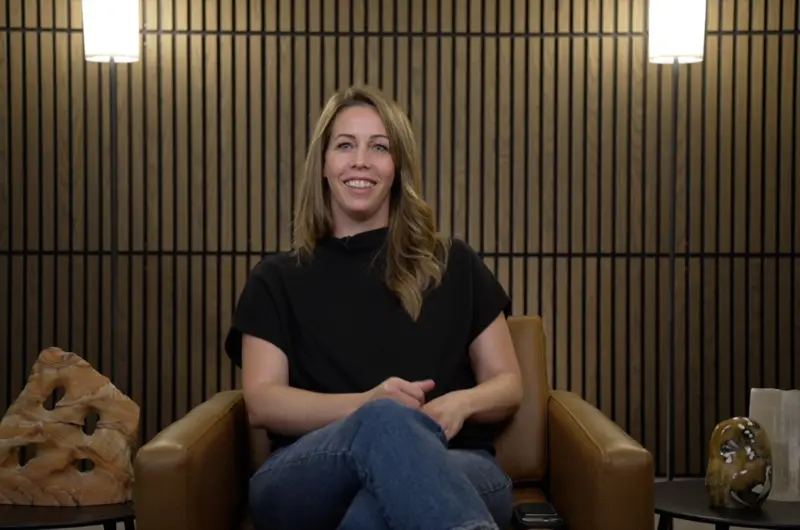
Lisa Main, BA, MC
Lisa Main is Director of Operations at Stone Bear Recovery Solutions and a leader in Indigenous health, recovery services, quality, and system transformation. Her work focuses on translating reconciliation and Indigenous self-determination into practical organizational change, including how leadership, policy, workforce development, and service design can better reflect Indigenous ways of being, knowing, and doing.
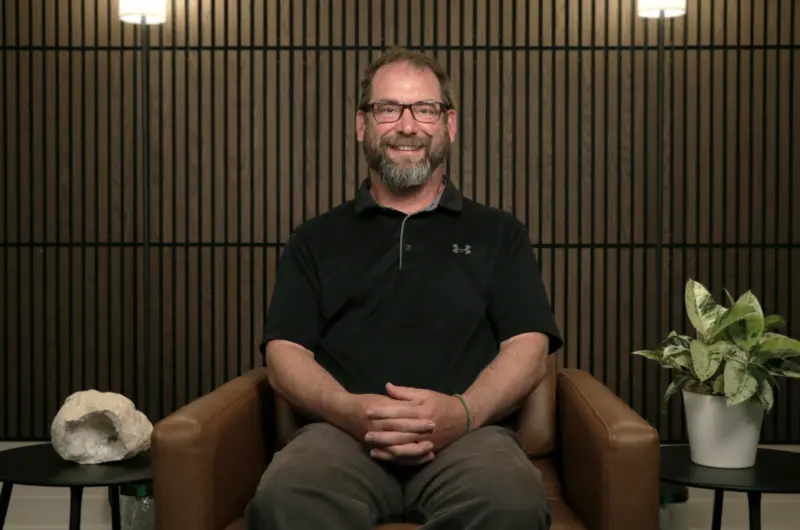
Mark Jago, RCP
Mark Jago, RCP, is Co-Founder and Executive Director of the Sask Peer Support Network. With nearly 25 years of involvement in recovery and peer support, he develops training, mentorship, and practical resources for people supporting others. Mark focuses on ethical peer support, healthy relationships, autonomy, and using lived recovery experience to transfer hope without prescribing someone else’s path.
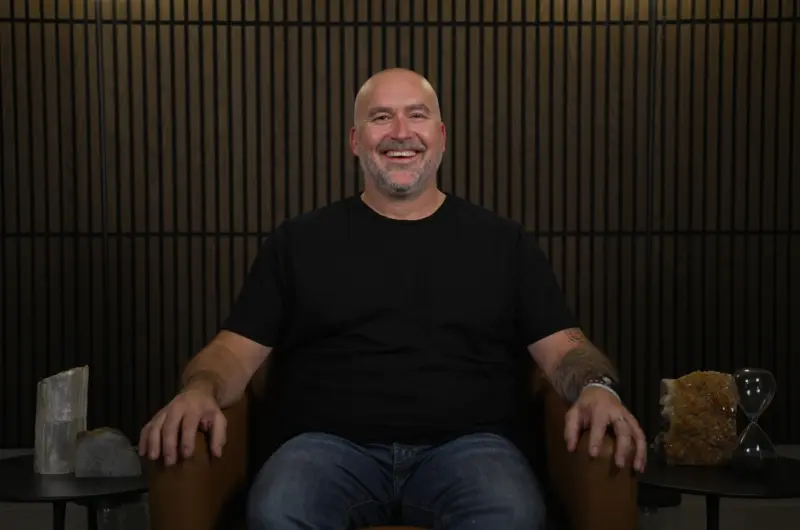
Tanner Perratt
Tanner Perratt is Co-Founder and Executive Director of Possibilities Recovery Center. With more than a decade of lived recovery experience, he brings practical experience in intensive outpatient treatment, program development, and community-based recovery. His teaching challenges us to examine how recovery services are actually experienced by the people relying on them.
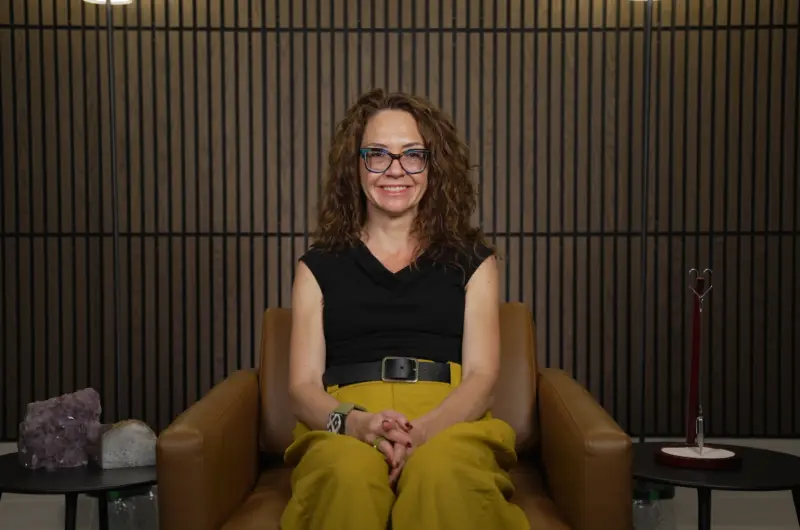
Dr. Victoria Burns, PhD, RSW
Dr. Victoria Burns is an Associate Professor at the University of Calgary and founder of several leading recovery initiatives, including Recovery on Campus Alberta and the Recovering in Place Lab. Her research combines lived recovery experience with scholarship exploring recovery capital, stigma, belonging, and how environments can expand or restrict opportunities for recovery.
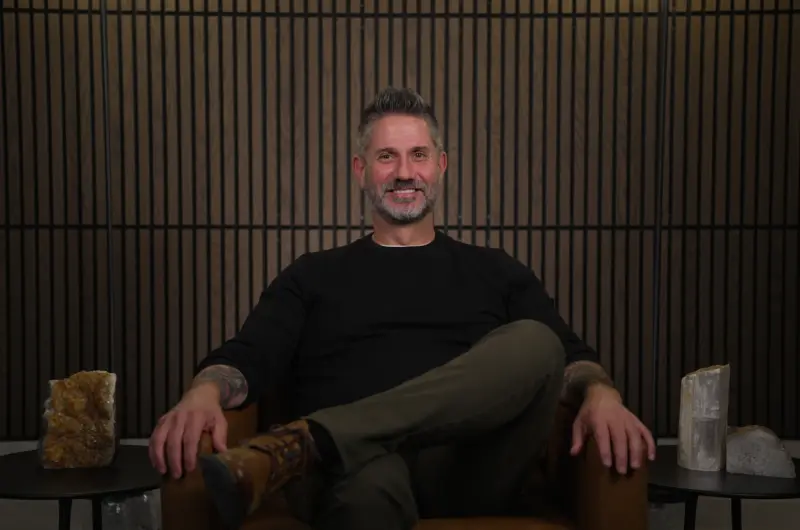
Trevor Gates, BA (Hons), MA
Trevor Gates is CEO of the Canadian Mental Health Association Saskatchewan Division and a Certified Recovery Coach Professional. His career spans government, health services, residential treatment, and community organizations. Trevor brings a systems-level perspective to how leadership, organizational culture, communication, and decision-making influence whether people successfully connect with support or become lost between services.
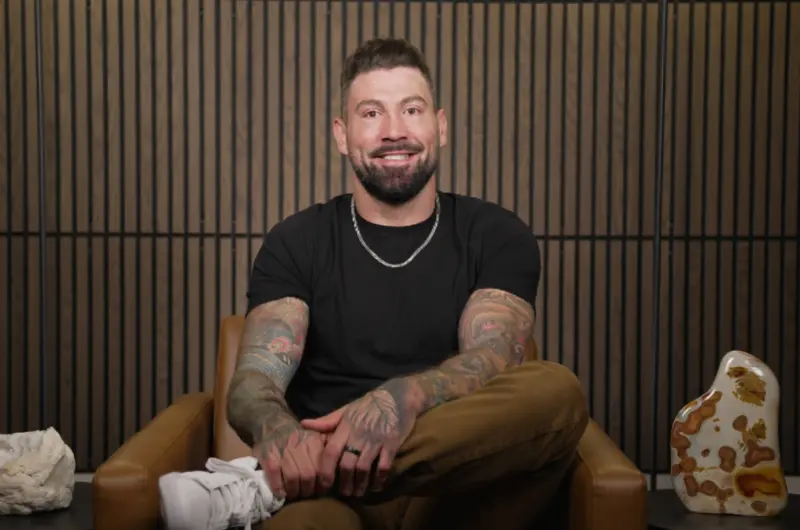
Brian Hamel
Brian Hamel is the Executive Director of Recovery Coach Academy Canada and the Recovery Training Institute. Drawing on lived recovery experience and a background in addictions counselling, organizational leadership, recovery programming, and curriculum development, Brian creates and facilitates training focused on practical application. His teaching challenges people and organizations to examine what recovery teaches us and, more importantly, what we should do differently because we know it.